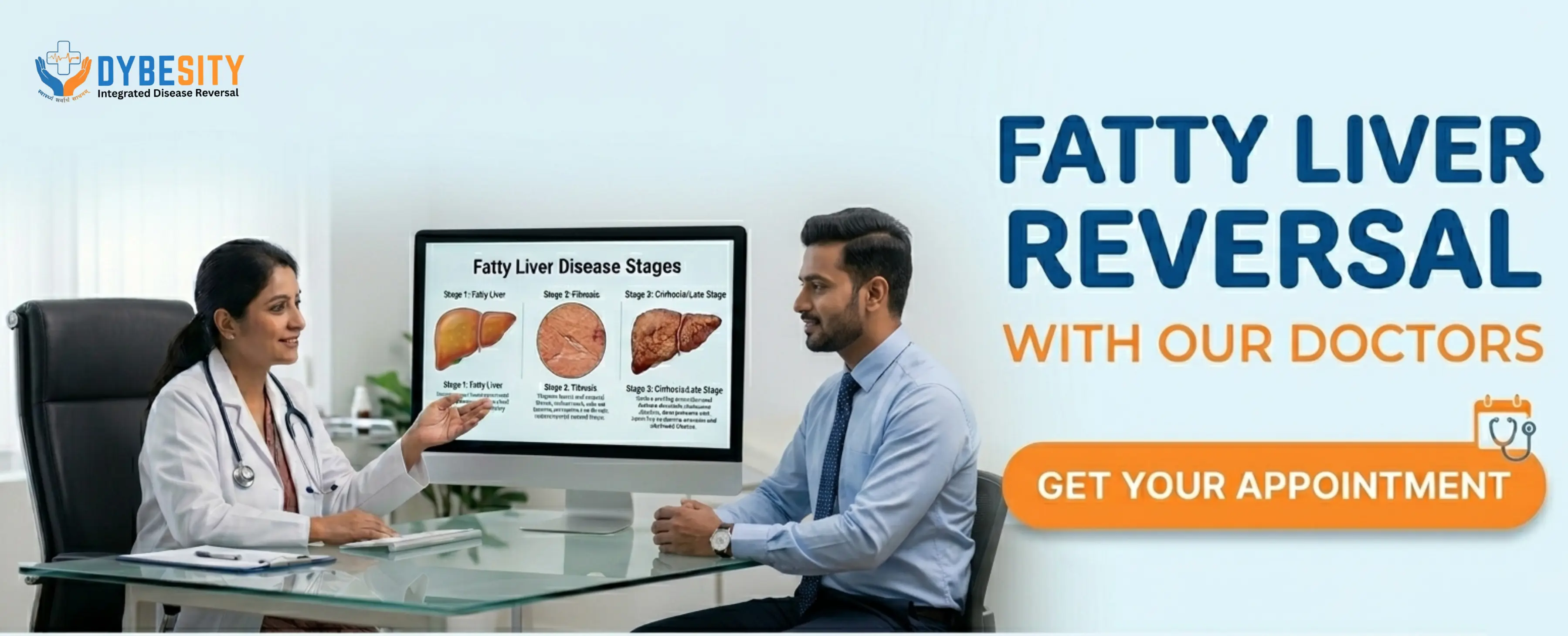

Fatty liver disease occurs when excess fat builds up inside liver cells. While it is normal for the liver to contain a small amount of fat, it becomes a health concern when fat makes up more than 5% to 10% of the liver's total weight. Left unaddressed, this accumulation can lead to inflammation, scarring (cirrhosis), and impaired liver function.
The condition is generally categorized into two types:
Non-Alcoholic Fatty Liver Disease (NAFLD):
Often linked to metabolic factors like insulin resistance, high blood sugar, and high levels of fats (triglycerides) in the blood.Alcohol-Induced Fatty Liver Disease:
Caused by heavy alcohol consumption, which damages the liver’s ability to metabolize fats.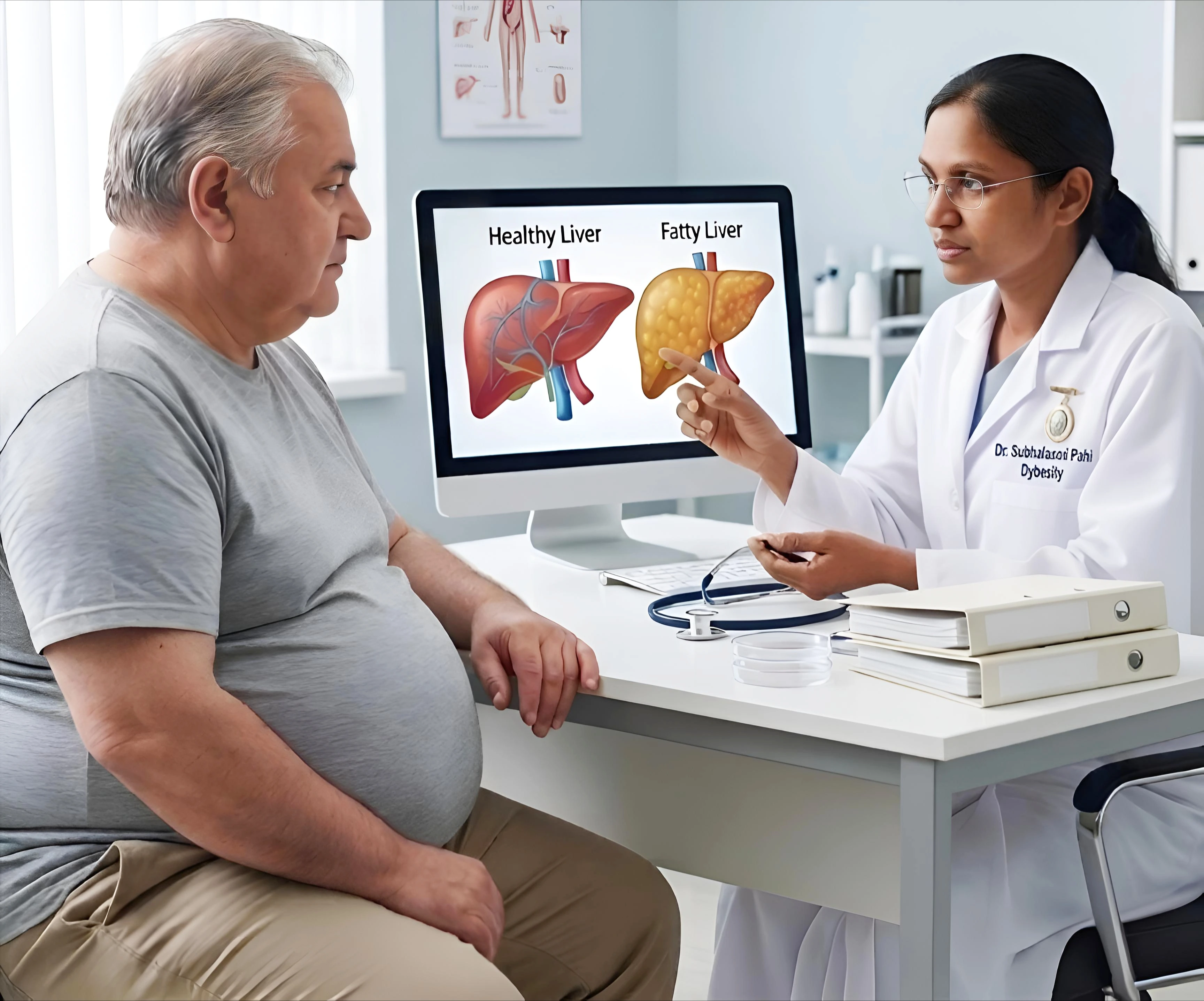
Weight loss, appetite loss, and nausea
Extreme weakness, exhaustion, and mental confusion
Jaundice
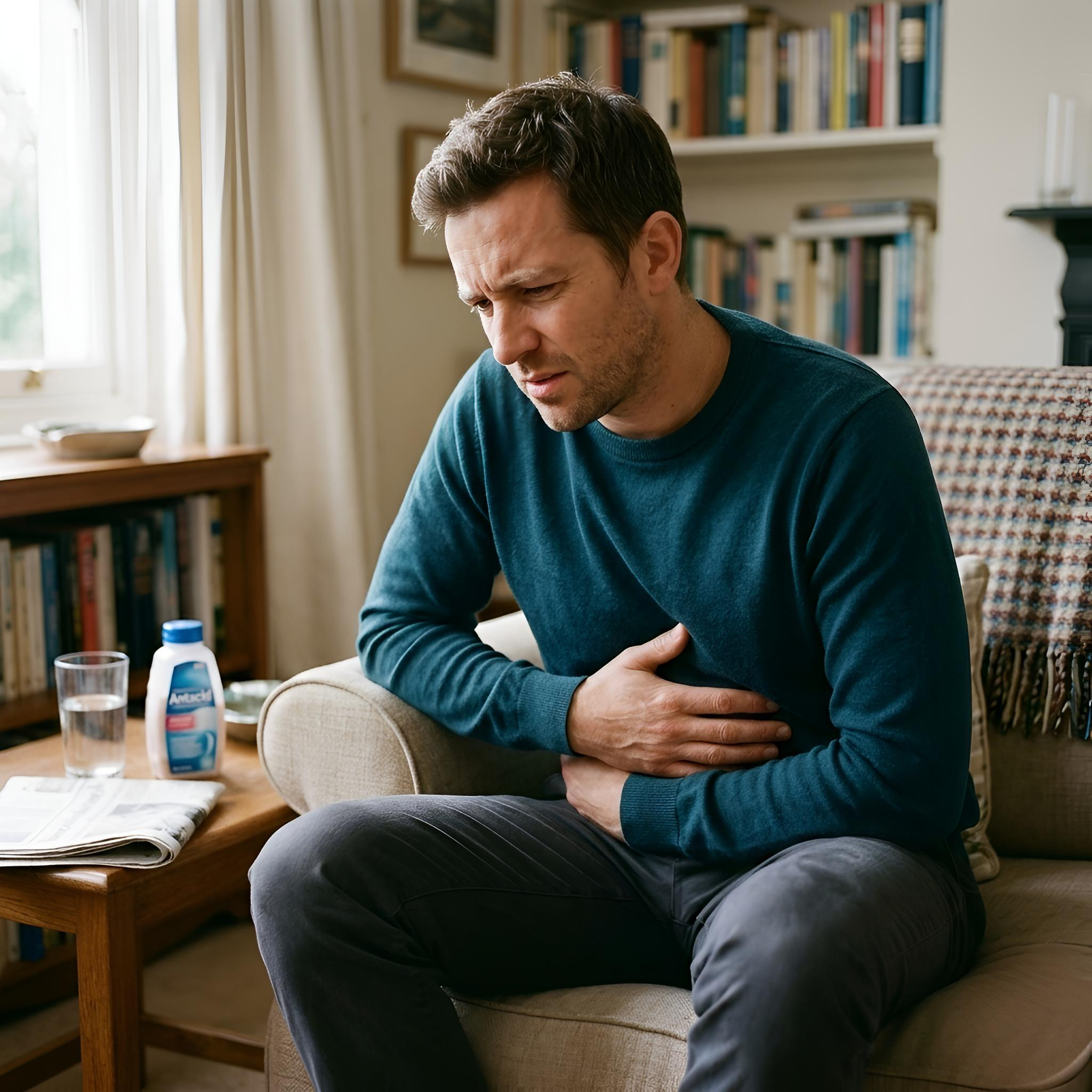
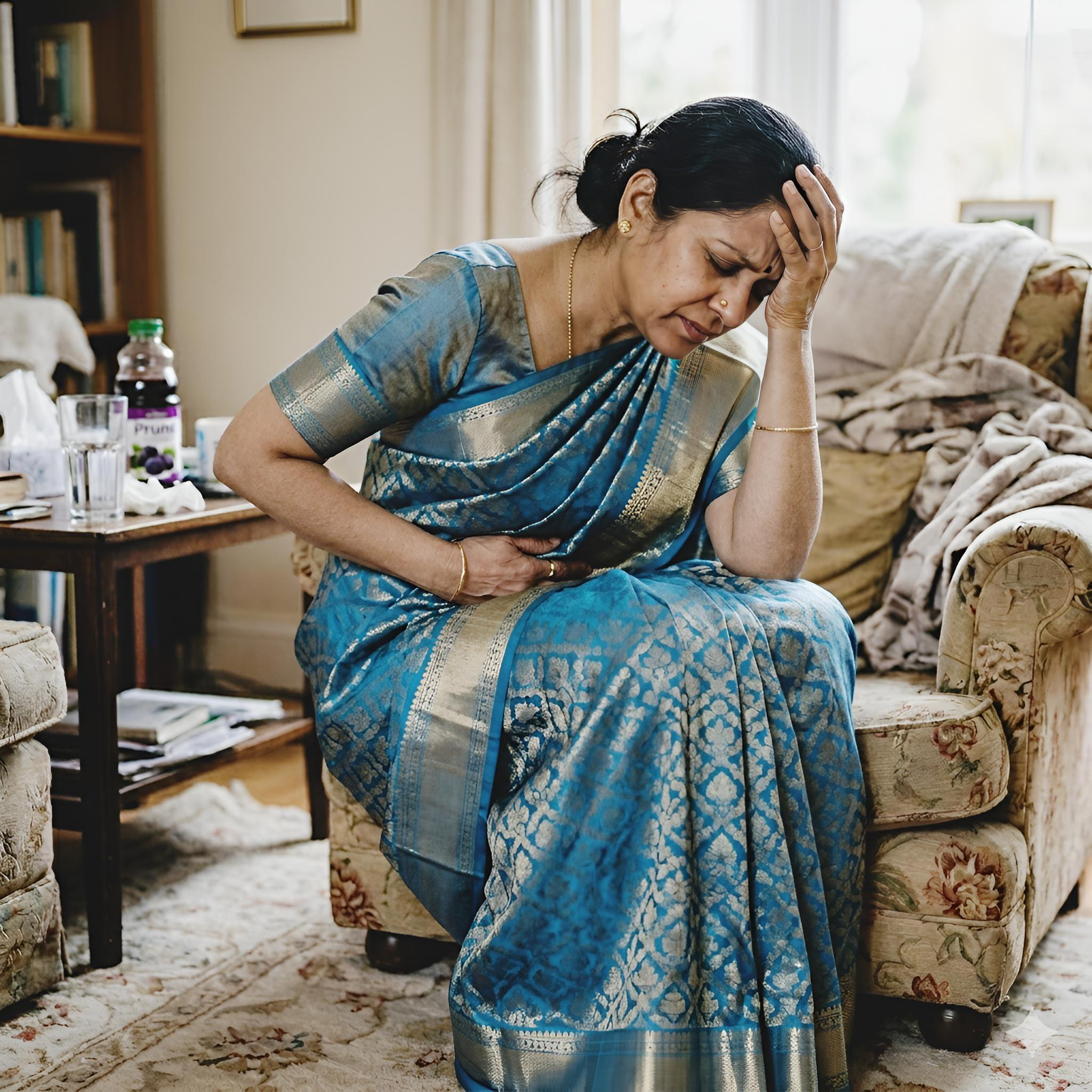
Abdominal pain, especially in the upper right abdomen
Edema or swollen legs and abdomen
Fatigue or tiredness
Dark urine
Swollen tummy
Vomiting blood
Black stools
Itchy skin
Obesity and a high Body Mass Index (BMI)
Type 2 diabetes or insulin resistance
High levels of triglycerides or “bad” cholesterol (LDL)
High alcohol consumption
Fatty liver disease often develops silently, making it difficult to recognize in the early stages. Doctors can detect it through routine blood tests, liver enzyme evaluation, and specialized liver investigations.
Helps examine liver condition and detect fat accumulation.
Measures liver fat content and liver stiffness.
Evaluates liver performance and enzyme levels.
Specialized care programs
Get expert guidance today
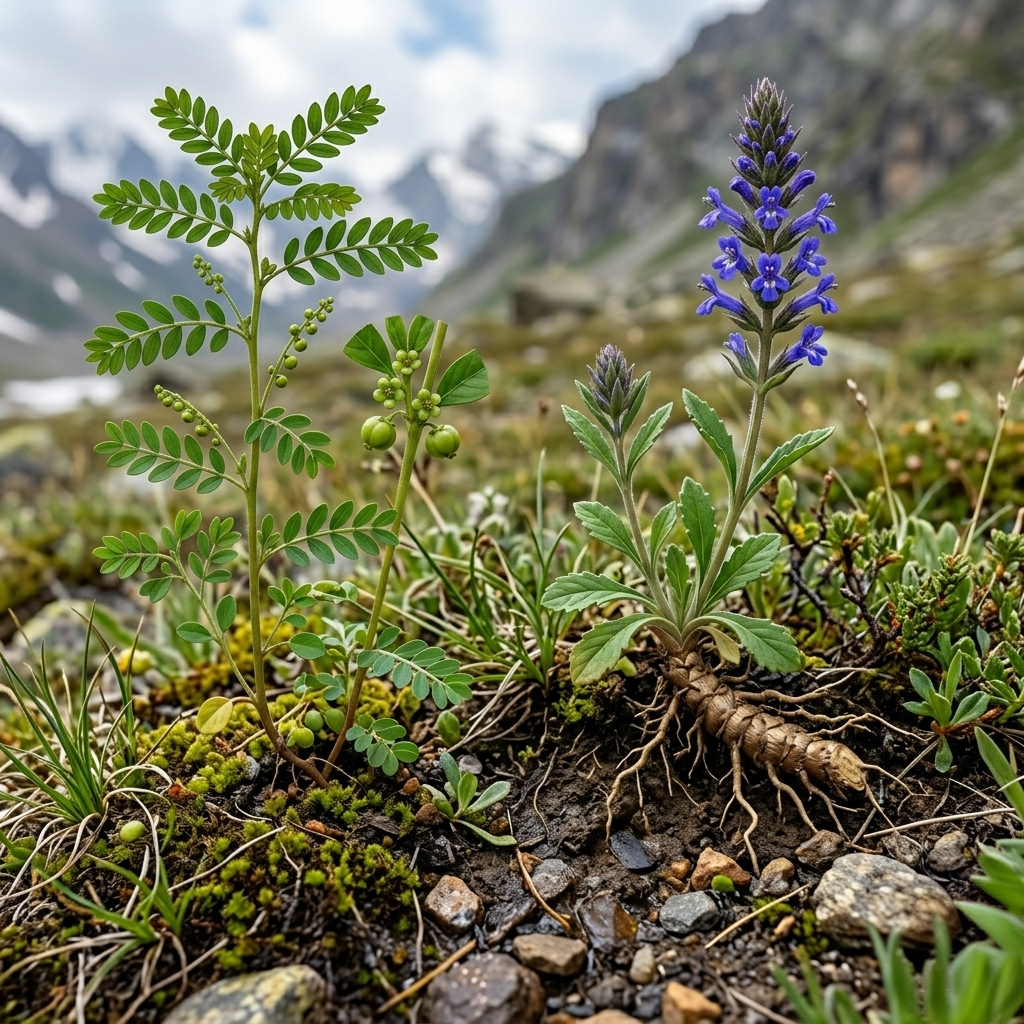
formulations to support heart and vascular health naturally. Enhancing blood flow and promoting smooth blood vessel function. Maintaining healthy kidney function, essential for regulating blood pressure and Calming the Nervous System.
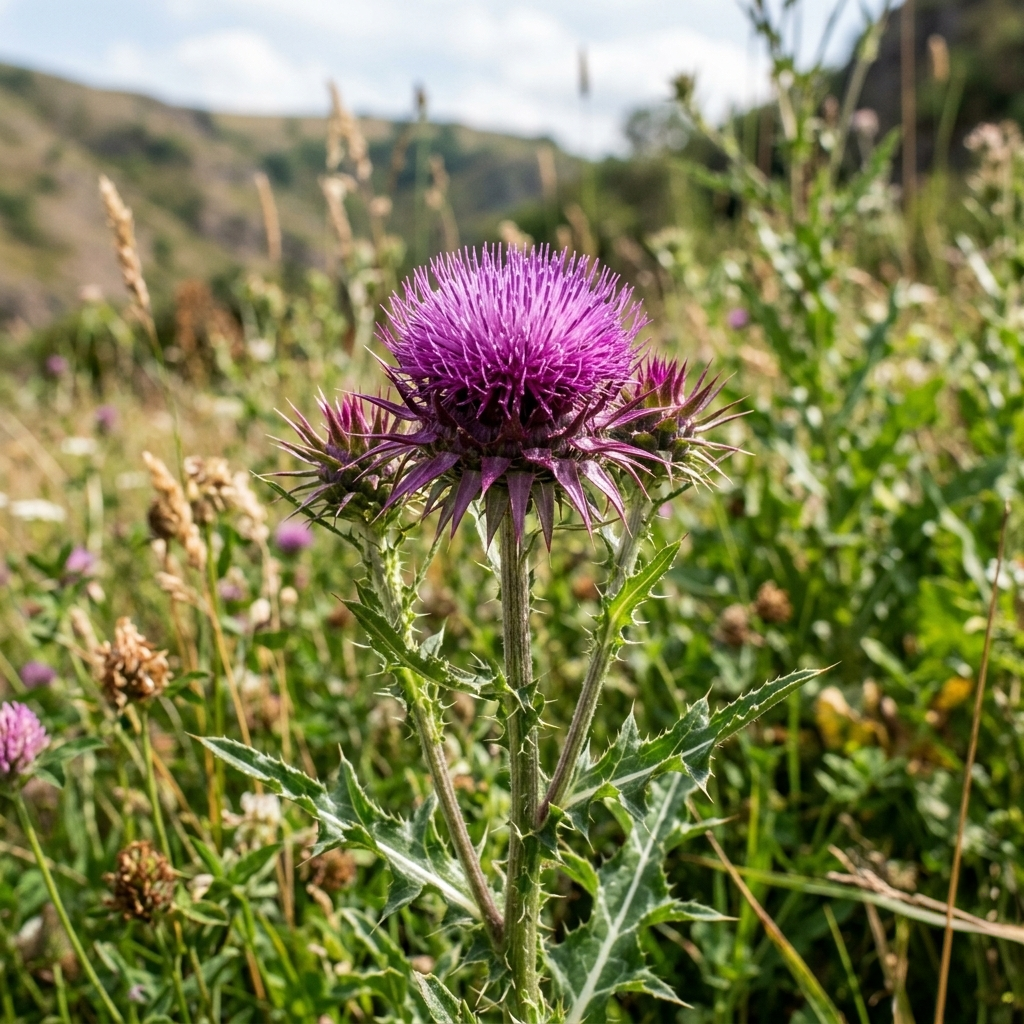
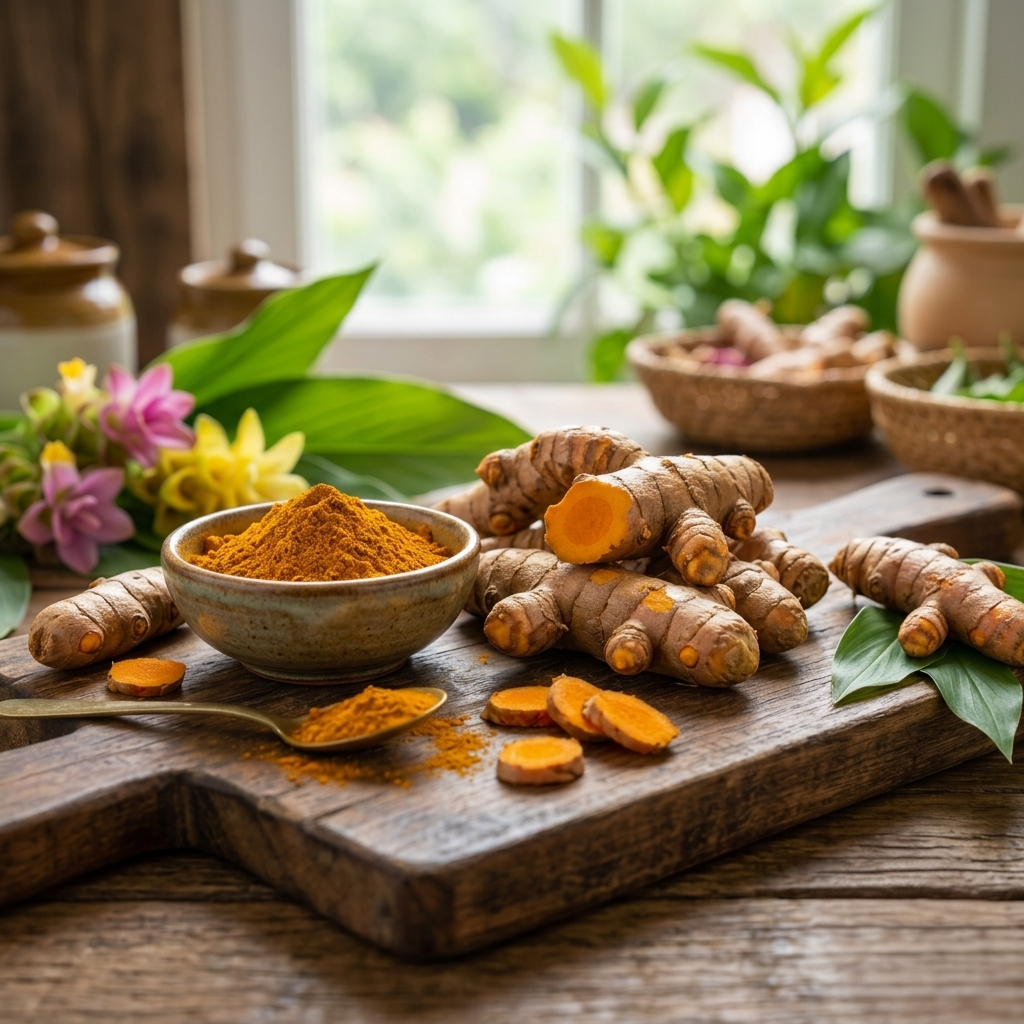

Improve liver health naturally with yoga, breathing exercises, and a balanced fitness routine.
Yoga and breathing exercises help relieve stress, lower cortisol levels, improve insulin sensitivity, and reduce fat deposition naturally.
Specialized exercise routines improve cardiovascular health, reduce belly fat, and maintain overall fitness.
Circadian Clock & Healthy Daily Routine
Maintaining a healthy circadian rhythm supports detoxification and bile production. Consistent sleep of 7–8 hours helps maintain hormonal balance and overall liver health.
A 12–14 hour overnight fasting window gives the digestive system adequate rest and encourages the body to use stored liver fat for energy production.
All procedures are conducted under the supervision of qualified physicians to ensure safety, precision, and measurable improvement in fatty liver reversal.
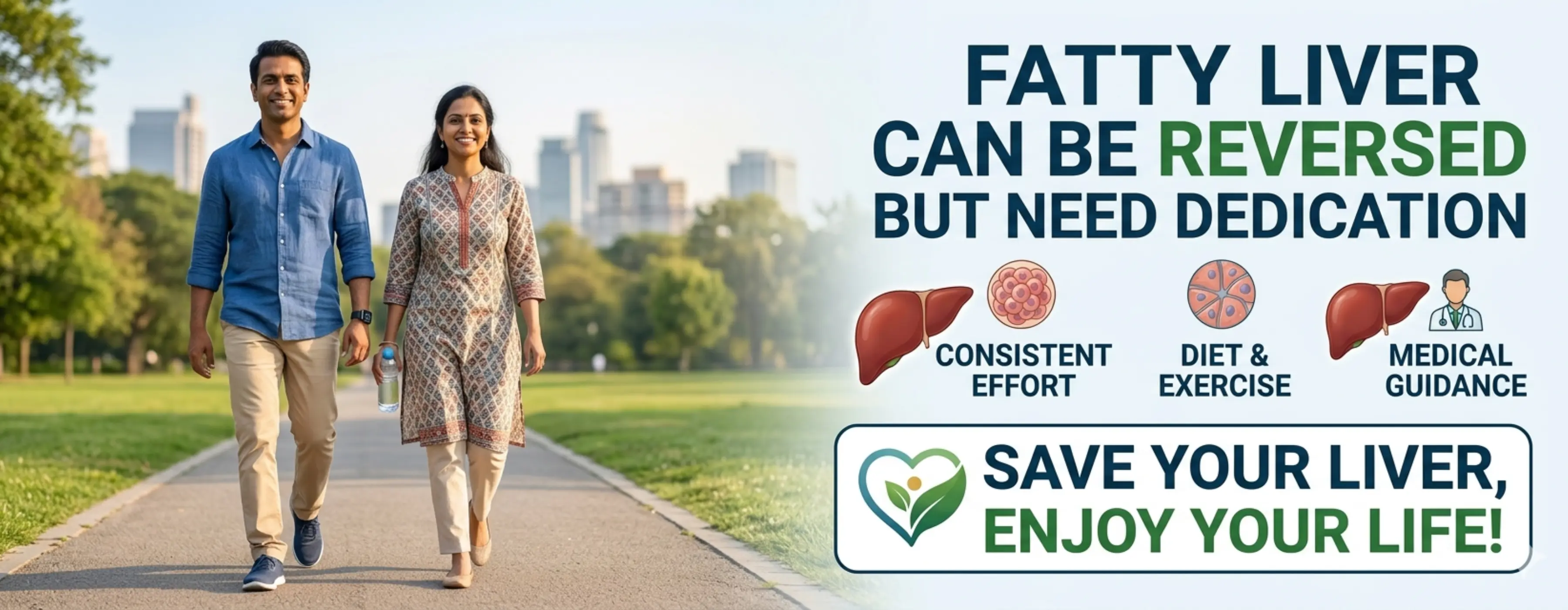
Yes. Unlike many chronic conditions, the liver has a unique ability to repair and regenerate itself. In its early stages (Simple Steatosis) and even middle stages (NASH), fatty liver is often fully reversible through consistent lifestyle changes, clinical nutrition, and weight management.
This is known as Non-Alcoholic Fatty Liver Disease (NAFLD). It is primarily driven by metabolic factors rather than alcohol consumption. Common causes include high intake of refined sugars, insulin resistance, sedentary lifestyle, obesity, and elevated triglyceride levels.
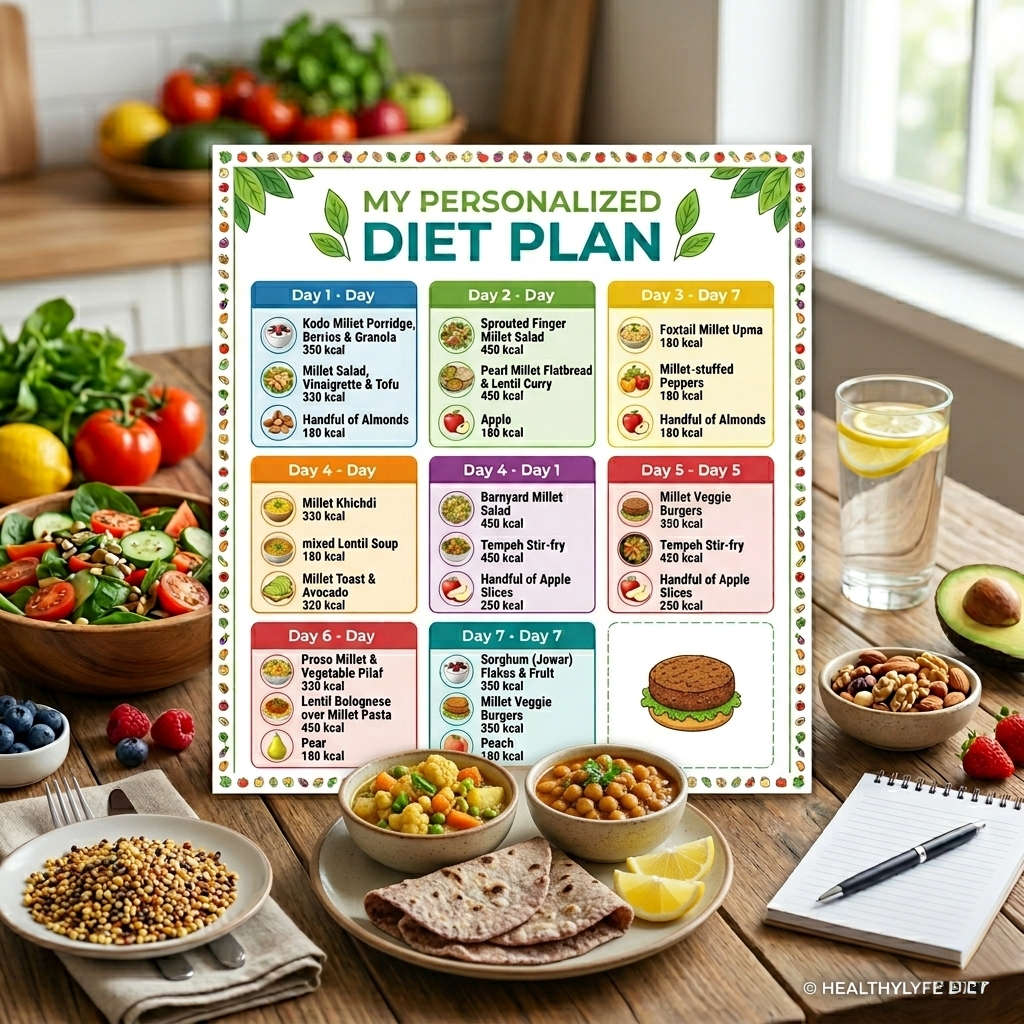
Currently, there is no single “magic pill” approved specifically to cure fatty liver disease. The most effective approach focuses on metabolic correction through a low-glycemic diet, targeted herbal support, and regular physical activity to help reduce fat accumulation in the liver.
To support liver healing, it is important to minimize or avoid:
Refined Sugars: Soda, sweets, desserts, and packaged juices.
Trans Fats: Fried fast foods and commercial baked goods.
Refined Carbohydrates: White flour (Maida), white bread, and white rice.
Processed Seed Oils: High omega-6 oils that may promote inflammation.
Animal Foods: Excess milk products, red meat, and antibiotic-treated poultry.
Avoid excessive sugar, fried foods, maida, processed foods, and unhealthy animal-based foods for better liver health.